In the fast-moving world of electronics manufacturing, quality can never be compromised. Whether a product is being mass-produced for everyday consumer use or assembled for high-reliability applications like medical devices or aerospace, every component must meet strict acceptability standards. This is where the IPC-A610H Acceptability of Electronic Assemblies Training plays a crucial role — by providing professionals with the knowledge and skills to assess electronic assemblies accurately and consistently.
IPC-A610H is the most widely recognised standard for determining whether an electronic assembly is fit for use, and it sets benchmark criteria that manufacturers around the world follow when inspecting solder joints, printed circuit board assemblies (PCBAs), and related components. This standard doesn’t teach how to solder per se, but it defines what makes a solder joint or assembly acceptable versus unacceptable. Knowing these standards means organisations can avoid costly defects, reduce product failures, and build trust with customers who expect reliability and quality.
What the Training Covers? A Practical, Technical Overview:
The IPC-A610H training programme typically spans two full days of immersive learning and covers both theoretical and practical aspects of electronic assembly inspection (60% lectures, 20% PCB components practical, and 20% group/team discussions). Participants can expect to gain:
- A complete introduction to the IPC-A610H standard, including why it exists, who uses it, and how it relates to other IPC standards such as IPC-J-STD-001 and IPC-T50.
- Insight into product classifications — understanding the differences between Class 1 (general electronics), Class 2 (dedicated service electronics), and Class 3 (high-reliability electronics) and why this matters when inspecting quality.
- Knowledge of accept and reject criteria, including definitions of how solderability, component placement and defects are objectively measured against visual quality requirements.
- Exposure to both closed-book and open-book assessments, helping participants familiarise themselves with industry exams and real-world judgement calls.
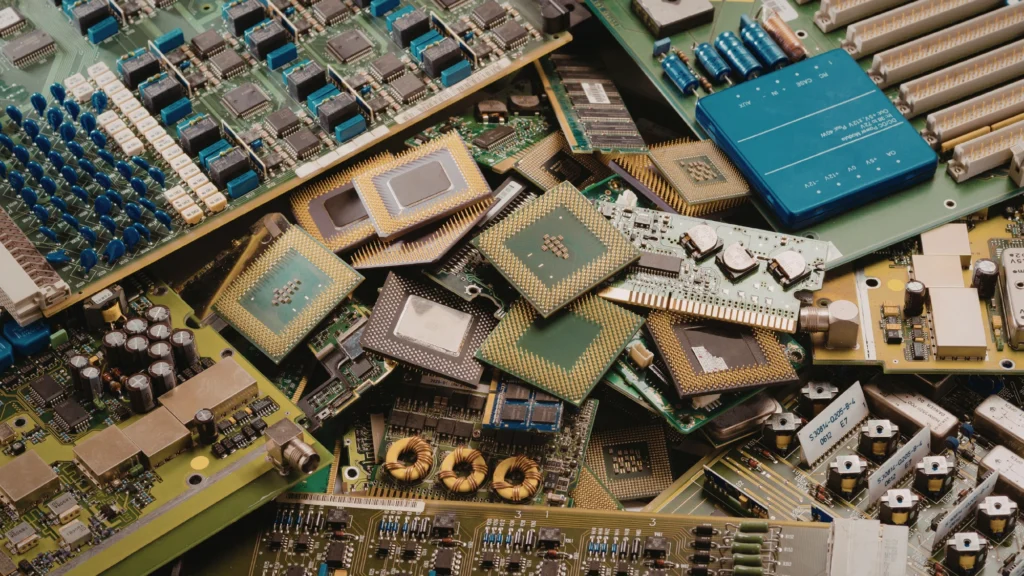
- Practical exercises that show how to identify common defects and damages on PCB assemblies — from soldering anomalies to surface mount issues and wiring concerns.
In short, the training equips technicians, engineers, quality inspectors, supervisors, and line trainers with the confidence and competence to make correct decisions during inspections, communicate effectively with customers or quality assurance teams during disputes, and even train operators in quality standards so that product quality is maintained on the shop floor.
Who Benefits Most from IPC-A610H Training?
This course is ideal for professionals involved in the electronics assembly, inspection, and manufacturing process, including:
- Engineers and Technicians
- Quality Assurance (QA) Inspectors
- Manufacturing Supervisors and Line Trainers
- Rework Operators and Inspection Operators
- Anyone responsible for maintaining product quality in electronics production
By gaining a deeper understanding of IPC-A610H standards, these individuals can help their organisations adhere to global quality benchmarks and reduce the frequency of rejects or returns.
Real-World Skills You Can Apply Immediately
Unlike training that stays theoretical, IPC-A610H is technical yet highly practical. Participants learn how to:
- Discern between acceptable and unacceptable assemblies based on industry-backed visual criteria.
- Apply form, fit and function principles to real products.
- Understand the impact of poor soldering or component issues on product reliability.
- Navigate industry documentation and communicate standard requirements clearly to colleagues and customers.
Through practical inspection exercises, group discussions, and hands-on component evaluation, the training builds confidence in both novice and experienced professionals.
Why Quality Standards Like IPC-A610H Are Essential
In electronics manufacturing, ambiguity is the enemy of quality. Without recognised standards such as IPC-A610H, different inspectors might apply different criteria — leading to inconsistent product outcomes. This standard provides a common language and visual benchmark that helps ensure products meet customer expectations and regulatory requirements across industries.
Furthermore, as electronics become more complex and tightly integrated into critical systems — from medical devices to automotive safety electronics — the need for reliability and precision inspection becomes even more important. Professionals certified in IPC-A610H are therefore highly valued in industries where product failures are not an option.
Why Choose OTC Training Centre Sdn Bhd for IPC-A610H Training
Training on IPC-A610H Acceptability of Electronic Assemblies is highly specialised and not widely available in the market. In Malaysia, only a limited number of training providers are equipped to deliver this programme effectively, and OTC Training Centre Sdn Bhd is the obvious choice.
Our IPC-A610H training is not just a lecture; it is a masterclass led by seasoned trainers with extensive industrial exposure. By choosing a top training provider like OTC, you are investing in a partnership that prioritizes your organization’s excellence and competitive edge in the global electronics market.