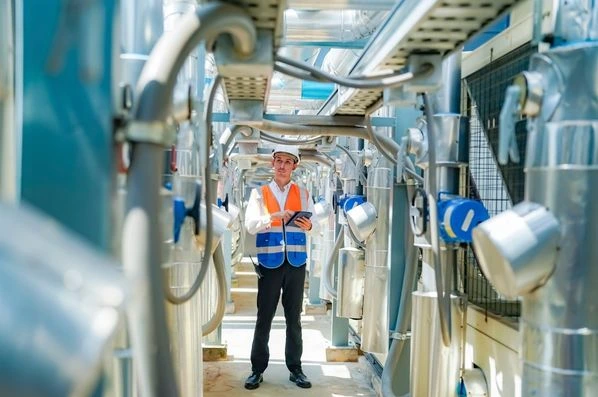
INTRODUCTION FOR VRV DAIKIN AND SAMSUNG BRAND (OPERATION AND TROUBLESHOOTING)
VRV Daikin And Samsung Brand Operation And Troubleshooting. VRV (Variable Refrigerant Volume) central air conditioning systems powered by inverter technology represent some of the most advanced innovations in climate control for large and complex buildings. These systems offer unmatched flexibility, energy efficiency, and optimal temperature control, making them ideal for both cooling and heating applications. With the integration of inverter air conditioners, VRV systems can adjust their capacity in response to changing needs, delivering significant energy savings and consistent performance. This comprehensive 5-day training program is designed for maintenance professionals who wish to enhance their knowledge and skills in operating, maintaining, and troubleshooting VRV Inverter systems. The course will focus on system optimization, reducing energy consumption, and addressing faults to ensure the systems run at maximum efficiency.
LEARNING OBJECTIVES
- Understand the fundamentals of VRV systems with inverter technology: Participants will learn the definition of VRV, the meaning of VRV, and how these systems differ from traditional VRV systems. The course covers how VRV inverter technology operates and its key benefits in modern air conditioning.
- Master the latest maintenance techniques for VRV Inverter systems: The course will teach how to use advanced tools and techniques to enhance system performance, optimize energy use, and maintain inverter air conditioners effectively.
- Diagnose and fix common faults using advanced tools: Participants will learn to identify and address common faults in VRV systems, using measurement tools like pressure gauges and refrigeration meters to quickly troubleshoot and fix problems.
- Adjust settings for peak performance: Learn how to fine-tune the VRV air conditioning systems for optimal performance under various operating conditions.
- Understand environmental regulations: The course will also cover the environmental impact of refrigerants, eco-friendly practices, and energy-efficient HVAC solutions.
- Utilize remote monitoring tools: Learn how to use remote monitoring software to control and monitor VRV systems from anywhere, making maintenance easier and more efficient.
LEARNING OUTCOMES
On successful completion of this course, the participant should be able to:-
- Recognize & apply strategies in effective VRV design
- Manage VRV operations that will generate productive outcomes
- Apply basic tools in VRV maintenance related work
- Appraise current team performance & to incorporate creativity in VRV systems
- Synthesize ideas to incorporate creativity in VRV systems
TRAINING METHODOLOGY
- The latest educational methods and strategies will be utilized.
- The course is designed to maximize delegate participation.
- Questions and answers are encouraged throughout and at the daily wrap-up sessions. This gives participants the opportunity to discuss with others and the presenter their specific problems and appropriate solutions.
- The course shall be conducted through lectures, case studies, group discussions and exercises to reinforce participant’s learning.
WHO SHOULD ATTEND
- Professionals at all levels seeking to improve their VRV skills
- Professionals wishing to enhance their VRV O&M skills
- Design personnel who intend to incorporate creativity in their designs
COURSE FORMAT
The course consists of formal content presentation interspersed with content quiz sessions. The presenter’s style involves intensive participant participation.
MEASUREMENT TOOLS
Quiz and exercises.
PAST PARTICIPANTS
Manufacturing and Process personnel, executives, managers, maintenance personnel, operational managers, design personnel etc
COURSE CONTENT
Day-1
Introduction to VRV Inverter Systems
- Overview of VRV systems:
- What is a VRV air conditioning system and how does it work?
- Differences between traditional VRV and VRV Inverter systems.
- Advantages and challenges of VRV inverter systems.
- Introduction to advanced control technologies in central air conditioning.
Basic Operation and System Adjustments
- Understanding refrigerant flow and regulating it for maximum system efficiency.
- Adjusting air distribution and ventilation to optimize performance.
- Temperature and humidity control technologies.
- Basic system setup and initial operating steps.
Diagnosing Faults and Preventive Maintenance
- Identifying common faults in VRV systems and diagnosing issues.
- Using measurement tools like pressure gauges and refrigeration meters for accurate troubleshooting.
- Preventive maintenance strategies for longer system lifespan.
- Performing routine inspections and practical tests.
Improving Energy Efficiency
- Analyzing energy consumption in VRV Inverter systems and identifying areas for improvement.
- Adjusting settings to reduce energy usage without sacrificing performance.
- Applying modern techniques to monitor energy use and enhance system efficiency.
- Case studies on energy savings in large buildings.
Remote Monitoring and Control
- Exploring the latest tools for remote monitoring and system control.
- How to use remote control software for real-time system monitoring and troubleshooting.
- Final steps to integrate maintenance management systems for efficient operation.
- Tools and knowledge to improve energy efficiency and reduce operating costs.
- How to diagnose and fix common faults in VRV systems, increasing your troubleshooting speed and accuracy.
- Enhance your ability to implement preventive maintenance strategies, which helps ensure longer system lifespan and optimal operation.
Day 2
Advanced Troubleshooting Techniques
- Complex diagnostics for more difficult system faults.
- Troubleshooting real-world VRV system issues.
- Software-based diagnostics tools.
- Best practices for documenting faults and solutions for future reference.
System Integration and Automation
- Integration of VRV systems with Building Management Systems (BMS).
- Automation technologies for HVAC systems to improve operational efficiency.
- Benefits of integrating VRV systems with BMS for better energy management and maintenance.
- Integrating VRV systems with BMS.
Environmental Considerations and Regulations
- Overview of environmental standards for HVAC systems.
- The impact of refrigerants on the environment and eco-friendly technologies.
- Exploring sustainable HVAC solutions and energy recovery systems.
- The latest trends in energy-efficient air conditioning.
Practical Application
- Installing, operating, and maintaining VRV inverter systems.
- Exercises to help reinforce system knowledge and troubleshooting skills.
- Peer-to-peer troubleshooting sessions to share techniques and solutions.
- Role-playing maintenance scenarios to handle common system issues.
Review, Assessment, and Future Trends
- Comprehensive review of all topics covered in the course.
- Assessments: Practical tests and quizzes to evaluate knowledge retention.
- Discussion on the future of VRV Inverter technology and emerging trends in HVAC systems.
Q&A Session
End of Program