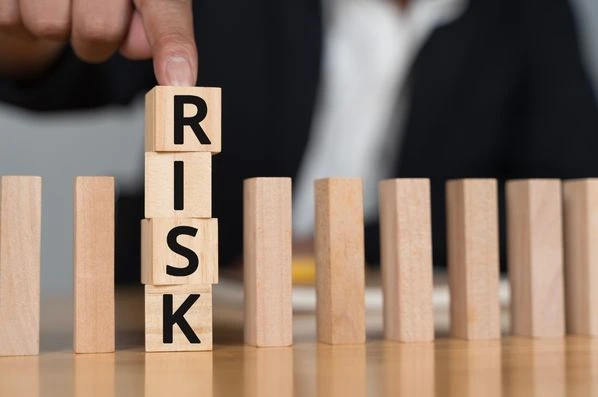
INTRODUCTION PROJECT RISK MANAGEMENT: A GUIDELINE TO IDENTIFY, ANALYZE & MITIGATE RISK
Risk cannot be eliminated in projects. In other words, risk will always be present in any project regardless of industry. These uncertainties in projects need to be dealt with in a structured manner, hence the need for project risk management which covers both risk and opportunity management. Potential positive and negative outcomes deserve equal attention. Risk management in projects is vital for proactive identification of potential risks, minimizing uncertainty, maintaining cost and schedule control, boosting stakeholder confidence and facilitating informed decision making within the entire team. It significantly increases the likelihood of project success and reduces the negative impacts of risks on project outcomes.
This course will provide a good understanding of the theory & application related risk management in projects. Participants will also be exposed to relevant tools, techniques & templates that could be used to effectively manage project risk.
LEARNING METHODOLOGY & MATERIAL
The course will use a combination of lectures, discussions, case studies, and exercises to facilitate learning. Participants will work in teams to apply the concepts and techniques discussed in the course to a hypothetical project scenario.
Participants will receive a course manual containing the course content, exercises, and case studies. The manual will also include templates and tools that can be used to apply the concepts learned in the course to real-world projects.
LEARNING OBJECTIVES
After having attended this training, participants would be able to:
- Distinguish the types of risks that exists in projects
- Understand the steps involved in overall project risk management
- Identify risk in a structured manner
- Analyze risk using various methods such as qualitative assessment
- Address risk using risk register & other tools
- Understand the process of monitoring & controlling risk throughout the project
- Create a risk management plan for their respective projects
WHO SHOULD ATTEND
Project managers, program managers, project team members, project assistants, executives, engineers, managers and any person involved in managing any type of project in any industry and has no formal project management training before.
COURSE OUTLINE
DAY 1
Introduction:
- Basic introduction of the training agenda
- Gage learning expectation from participants
Module 1: Introduction to Project Management
- The 5 stages of a Project Lifecycle
- The 10 knowledge management areas
- Common issues & challenges in the project lifecycle
BREAK 1
Module 2: An overview of Project Risk Management
- Definition & importance of project risk management
- Types of risk in a project
- Key terminology and concepts
- The steps involved in project risk management
Module 3: Risk Identification
- The 6 stages in project risk identification
- Risk identification tools & techniques
- Project Risk Identification Framework
- Risk identification best practices
- A look at the risk that exists in various industries
Group Activity 1
LUNCH
Video Presentation 1
Module 4: Risk Analysis & Assessment
- Types of project risk analysis
- Deep-Dive into Qualitative Risk Assessment
- A look at Quantitative Risk Assessment & Technical Risk Assessment
- Risk Analysis Tools: Risk Register, Monte Carlo Simulation, Bow-Tie Analysis, Swift Analysis
- Common challenges in Risk Analysis
BREAK 2
Module 5: Risk Planning
- Risk response strategies (avoid, transfer, mitigate, accept)
- Creating a risk register
- Developing a risk management plan
Group Activity 2
Recap of Day 1 Learning & Key Take Aways
DAY 2
Recap of Day 1 Learning
Module 6: Risk Monitoring & Control
- Objective & purpose of risk monitoring
- Inputs to risk monitoring & control
- Risk monitoring tools & techniques
- Outcome of risk monitoring & control
Case Study 1
BREAK 1
Module 7: Applying Risk Planning in Your Industry
- Roles & responsibility
- Examples of a practical application in industries
Group Activity 3
LUNCH
Video Presentation 2
Module 8 : Risk Communication and Reporting
- Effective communication strategies for risk management
- Reporting risk status and updates to stakeholders
- Presenting risk analysis and recommendations
Module 9 : Risk Documentation and Lessons Learned
- Documenting risk management activities
- Conducting lessons learned sessions to improve future projects
BREAK 2
Module 9 : Risk Culture and Leadership
- Fostering a risk-aware culture in project teams
- Role of leadership in risk management
- Promoting risk ownership and accountability
- Integrating risk management into project governance
Module 10 : Emerging Trends in Project Risk Management
- Agile and risk management
- Risk management in virtual and remote teams
- The role of technology and tools in risk management
Recap of Day 2 Learning & Key Take Aways
Summary of training, gathering feedback and official closure of training
Note: The course outline provided is a general framework and can be customized based on the specific needs and objectives of the participants and the organization. Additional sessions, exercises, or activities can be included to enhance the learning experience.