INTRODUCTION FOR OVERHEAD CRANE SAFETY TRAINING
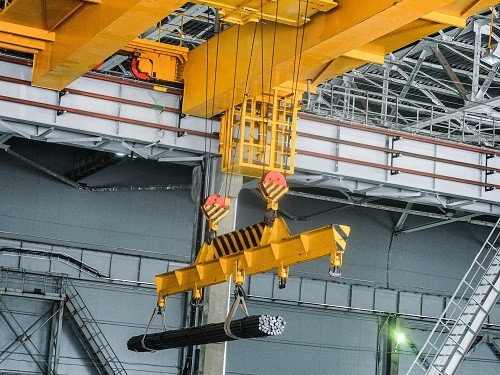
Overhead cranes move heavy items in manufacturing and production areas. Although cranes are useful, “overhead” cranes can sometimes be “out of sight and out of mind” when it comes to safety. Only trained and qualified operators should use overhead cranes.
The overall objectives of the course are discussed with the trainees, placing an emphasis on individual operator responsibilities. The shift in liability from the management to the operator is stressed for those who are trained and qualified. The operators will be trained in safe operation and handling of crane, avoiding accidents, proper material handling techniques, and protecting equipment and materials.
LEARNING OBJECTIVES
The course is conducted in both Bahasa Malaysia & English to the operative level, or crane handler.
- Overview on the legal requirement
- Define what is an Overhead crane and differences between a
- Why we need the crane and the advantages of
- Type of cranes & it’s
- Type of
- Main defects and it’s
- Safety devices on the
- Safe operation of
- Safety checklist on
- Sling & rigging
- Safe working limit of
LEARNING METHODOLOGY
The training will be conducted in Bahasa Malaysia or English as required by customer. There will be lectures, group discussion, practical session and pre / post-test. This stimulating program will maximize the understanding and learning through interactive lectures sessions.
TARGET GROUP
- Overhead crane operators
- Maintenance team
- Supervisors
NO OF PARTICIPANTS REQUIRED / SESSION
- 15 participants
TRAINING DURATION
- 1 Day (9 am to 5 pm)
HOW WILL YOU BENEFIT
Upon completion this program me, the participants will be able to:
- To learn ways of operating overhead crane in a safe manner at the workplace that will save an organization from losses due to human injuries and property damages.
- To conduct safety and maintenance inspections of overhead crane on daily basis that will greatly help in reducing overhead crane breakdowns and high maintenance
- To understand the common causes of overhead crane accidents and ways of avoiding
COURSE OUTLINE
Practical session shall be carried out after lunch
One-day session
- 9.00 am : Introduction, Pre-test
- 9.10 am : Legal requirement related to Crane Handling, Installation & Certification (OSHA 94 & FMA 67 and Regulations)
- 10.30 am : Morning Break
- 10.45 am : Theory – Safe operation and handling of Crane Safe handling operation Inspection checklist
- 11.45 am : Group discussion
- 12.15 am : Sling, rigging & pendant safety Signaling
- 1.00 pm : Lunch Break
- 2.00 pm : Sling Inspection
- 2.20 pm : Practical session –
- Trainer will show the right technique of handling crane /hoist and they will be guided until they understand the overall handling process.
- Practical Assessment – Every participant will be assessed one by one. Trainer will come up with the simple result to determine whether are competent to handle the crane / hoist.
- Method of assessment – Participant has handled the Crane on an obstacle set by the trainer using cone by long and cross travel
- 3.15 pm : Tea Break
- 3.30 pm : Continue Practical Assessment until end
- 5.00 pm End